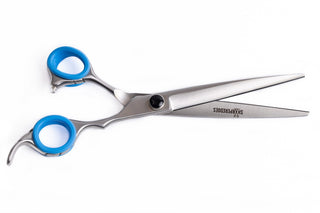


Whether you’re grooming professionally, working from a mobile van or trimming your dog at home, your clipper or trimmer blades need to work smoothly every time.
A blade that is past its best can create an untidy finish, slow down your appointments and cause unnecessary pulling against the coat or skin. It can also put extra pressure on the clipper motor.
The important thing to remember is simple: trimmer blades need to be replaced when they wear out. They are not the same as dog grooming scissors, which can be professionally serviced and sharpened.
But how do you know when replacement time has arrived?
Here are six warning signs to look out for.
1. The blade starts pulling or snagging
A good trimmer blade should move through a clean, prepared coat smoothly. If it begins tugging, catching or pulling hair rather than cutting it cleanly, don’t ignore it.
You may notice:
- Hair being pulled instead of cut
- The trimmer catching in thicker areas
- A dog becoming unsettled during detail work
- More resistance when moving through the coat
- The blade struggling around feet, faces or sanitary areas
Pulling is one of the clearest signs that a blade is no longer performing properly. It can make a normally calm dog anxious, and it may be uncomfortable when you’re working close to the skin.
First, stop and check that the blade is free from compacted hair and properly oiled according to the clipper manufacturer’s instructions. Make sure the coat is clean and free from mats or excessive grease.
If the blade still pulls after basic cleaning and maintenance, replace it before your next groom.
DON’T WORK THROUGH A PULLING BLADE. A replacement is safer, quicker and kinder to the dog.
2. You’re seeing lines, steps or patchy results
Are you noticing visible tracks in the coat? Perhaps the trim looks patchy, or one section is noticeably longer than another even though you’re using the same technique.
Uneven results can be caused by several things, including:
- Worn cutting surfaces
- Poor contact between the moving cutter and stationary comb
- Damaged or uneven teeth
- A blade that is no longer sitting correctly
- Hair being missed as the trimmer moves across the coat
This can be especially frustrating when you’re working on a neat finish, face, feet or outline. You may find yourself checking and rechecking the same area, only to see the same lines appear.
Before replacing the blade, check your technique, blade length and coat preparation. If the equipment is correctly set up and the problem continues, the blade is likely ready for replacement.
A fresh blade should give you a more consistent cut and help you achieve a smoother, more professional result with fewer corrections.

3. You need more passes than usual
Every groomer has a preferred working style. However, if you suddenly need to make several extra passes over the same area, your blade may be losing efficiency.
You might find that:
- One pass no longer gives the expected result
- The trimmer leaves small sections behind
- You need to change direction repeatedly
- A simple tidy-up takes much longer
- Your grooming appointments are starting to run over
Of course, coat type, coat condition and blade length all make a difference. A thick, dirty or matted coat will always require more care and preparation.
But if you’re working on a prepared coat and using the same clipper, blade and technique as usual, a noticeable increase in passes is a strong warning sign.
Extra passes don’t just cost you time. They can increase heat, create more vibration and make the dog less comfortable. For busy salons and mobile groomers, that lost time can quickly affect the whole day.
If the blade is clean but no longer cutting efficiently, replace it.
4. The blade gets hot too quickly
Some warmth during use is normal. Excessive heat is not.
If your blade becomes noticeably hot after a short period, stop using it and investigate. A worn blade can create more friction, forcing the clipper to work harder than it should.
Watch for:
- A blade that becomes hot unusually quickly
- Heat transferring to the dog’s skin
- A burning smell
- The need to stop frequently to let the blade cool
- Heat appearing even during light trimming or detail work
A hot blade can be uncomfortable and may be unsafe when working close to the skin. It can also indicate problems elsewhere, such as inadequate oiling, blocked ventilation, a worn blade drive or a clipper that needs professional servicing.
Allow the blade to cool completely before handling it. Check the manufacturer’s maintenance instructions and inspect the clipper head.
If the heat is coming from a worn or damaged blade, replace the blade immediately. If a new blade also overheats, the clipper itself may need attention.
Please don’t put an overheated blade back onto a dog just to finish the job. Keep a spare ready, particularly if you groom professionally.
5. You notice extra vibration or an unusual sound
You know how your equipment normally feels and sounds. Any sudden change deserves attention.
A trimmer that begins rattling, clicking, grinding or vibrating more than usual may have a blade problem. The blade could be worn, incorrectly fitted, damaged or struggling because the drive mechanism is under pressure.
Unusual sounds can include:
- A rougher motor sound
- Clicking or ticking from the blade area
- Rattling during movement
- Increased vibration in your hand
- A sound that changes when the blade touches the coat
Don’t assume the noise will disappear with continued use. Increased vibration can make detail work less precise and can contribute to hand and wrist fatigue during a busy day.
Switch the trimmer off, remove the blade safely and check for packed hair, loose fittings, damaged teeth or visible wear. If the blade looks damaged or the noise continues with a correctly fitted replacement, stop using the trimmer and arrange suitable servicing.
6. The finish quality is no longer what it used to be
Sometimes the warning sign is not one dramatic fault. It’s simply that the finished groom doesn’t look as clean, smooth or professional as it normally does.
You may notice:
- A less even finish
- Rough-looking edges
- Missed hairs around detailed areas
- Blending that looks less seamless
- More work needed to tidy the final result
- Customers or clients noticing that the finish is not as polished
This gradual decline can be easy to dismiss, especially if the trimmer is still switching on and the blade is still moving.
However, professional grooming depends on consistency. Your tools should help you work confidently, not make you compensate for declining performance.
Compare the results with a known-good blade if you have one available. If the replacement restores the expected finish, you’ve found the problem.
Replace the blade or service the clipper?
Not every performance issue comes from the blade. Use this quick guide:
Replace the trimmer blade when:
- It pulls or snags after cleaning
- It leaves lines or patchy results
- You need repeated passes on a suitable coat
- The teeth are chipped, bent or missing
- You can see rust, corrosion or damage
- It overheats during normal use
- It creates unusual vibration or noise
Arrange clipper servicing when:
- A new blade shows the same problem
- The clipper motor sounds strained
- The blade drive appears worn
- The body becomes unusually hot
- The clipper has been dropped or damaged
- The battery or power supply is unreliable
- The blade will not sit or move correctly
Our professional sharpening service page also includes clipper servicing where suitable, so you can contact us if you’re unsure whether the issue is the blade or the clipper itself.
Please note that different clipper systems and brands have different requirements. Always check compatibility before ordering a replacement.
Why professional sharpening still matters for dog grooming scissors
Trimmer blades and grooming scissors are different tools, and they need different solutions.
When your professional dog grooming scissors become dull, catching or less comfortable to use, they may be suitable for professional scissor sharpening. At Sharperedges, we use specialist scissor sharpening equipment and techniques developed through training in the UK, Canada, France and Italy.
Our service is designed for professional groomers, salon owners, mobile groomers, students and home users who want to get more life and performance from their scissors.

You simply mail your scissors to us, and our experienced team carries out the work before returning them using a tracked service.
Our scissor sharpening service includes:
- MAIL-IN SERVICE , Send your scissors to us from anywhere in the UK.
- 5–7 WORKING DAY TURNAROUND , Excluding weekends and subject to seasonal demand.
- 15-DAY GUARANTEE , We stand behind our sharpening work.
- LIFETIME GUARANTEE , Scissors sharpened by Sharperedges are covered by our lifetime guarantee.
- SPECIALIST EQUIPMENT , We use professional equipment and techniques for grooming scissors.
- PRACTICAL SUPPORT , We can help you understand the best option for your tools.

Please make sure you have spare scissors available while your tools are with us, as the current turnaround is 5–7 working days. Postage costs to us and back to you are the customer’s responsibility.
You can also read our guide to scissor maintenance and cleaning for practical advice on keeping your grooming scissors clean, dry, oiled and safely stored.
Keep your equipment performing at its best
For trimmer and clipper blades, replacement is the correct solution when the blade has reached the end of its working life. Don’t wait until pulling, heat or poor results disrupt a busy grooming day.
For dog grooming scissors, professional servicing can help maintain cutting performance, comfort and longevity.
We’ve been working with grooming tools for more than 11 years and understand how important reliable equipment is to your business. With over 75,000 happy customers and more than 12,400 reviews averaging 4.9 stars, we’re proud to support groomers across the UK and beyond.
CHECK YOUR BLADES. REPLACE WHEN NEEDED. SERVICE YOUR CLIPPERS WHEN REQUIRED.
Shop our dog grooming tools and accessories, or contact Sharperedges if you need help choosing the right replacement or service option.